

If you can move and it hurts,
we can help
A path back to feeling like yourself again

At Back Neck and Joint, we look beyond short-term relief to understand the cause of your pain and help you return to daily life with more comfort, confidence and control.

-
There are 5 main causes of lower back pain; facet joints, sacroiliac joints, hips, discs, and nerves. It would be nice if they had their own specific symptoms but unfortunately, they don’t. Techniques and methods for diagnosis and treatment vary almost as much as the causes for the pain itself.
-
Neck pain is associated with muscle tightness and spasm that responds well to massage and manipulation, but the pain soon returns. It arises from multiple causes but the 3 main causes are facet joint arthritis, degenerative discs and nerve compression. The muscle spasm makes it tricky to diagnose but with a detailed approach there are a number of solutions that provide effective, longer-term relief.
-
Persistent joint pain is commonly achy, sharp, dull, a pressure, or throbbing. Joints can click and clunk; if inflamed, they can be stiff and sore, particularly in the morning, and muscles become tight trying to protect them, creating a whole new pain of their own. Joint pain is complicated and very individual, with pain arising from many structures in and out of them. This understanding dramatically aids in diagnosing difficult pain and, for those suffering the pain, to reconcile why the pain may not have responded to a single treatment such as cortisone or an operation.
-
Neuropathic pain arises from nerves and produces multiple symptoms, including burning, pins and needles, numbness, itching, crawling, electric shocks, painful cold and squeezing. Additionally, as we see in joint pain, a deep ache complicates how it feels, making diagnosing it more challenging. Neuropathic pain can come on randomly and is commonly wildly disproportionate, producing a large amount of pain with seemingly minimal or no injury. It can co-exist with joint pain or “body part” pain, and to add to it, it produces a strong emotional response, bringing unexplained, baffling tears to the most stoic of people.
-
Persistent post-surgical pain is the most common post-surgical complication. We like to think it doesn't happen a lot, however, we see it after 20% of operations. So, if you have pain after a procedure, you are not alone. It occurs for multiple reasons varying from pain syndromes to just having had to have numerous operations. To manage it requires identifying the neuropathic components, excluding any structures that may still be driving the pain, and dealing with the emotional side, as if it hasn't made you sad, angry or annoyed; you are the exception to the rule.
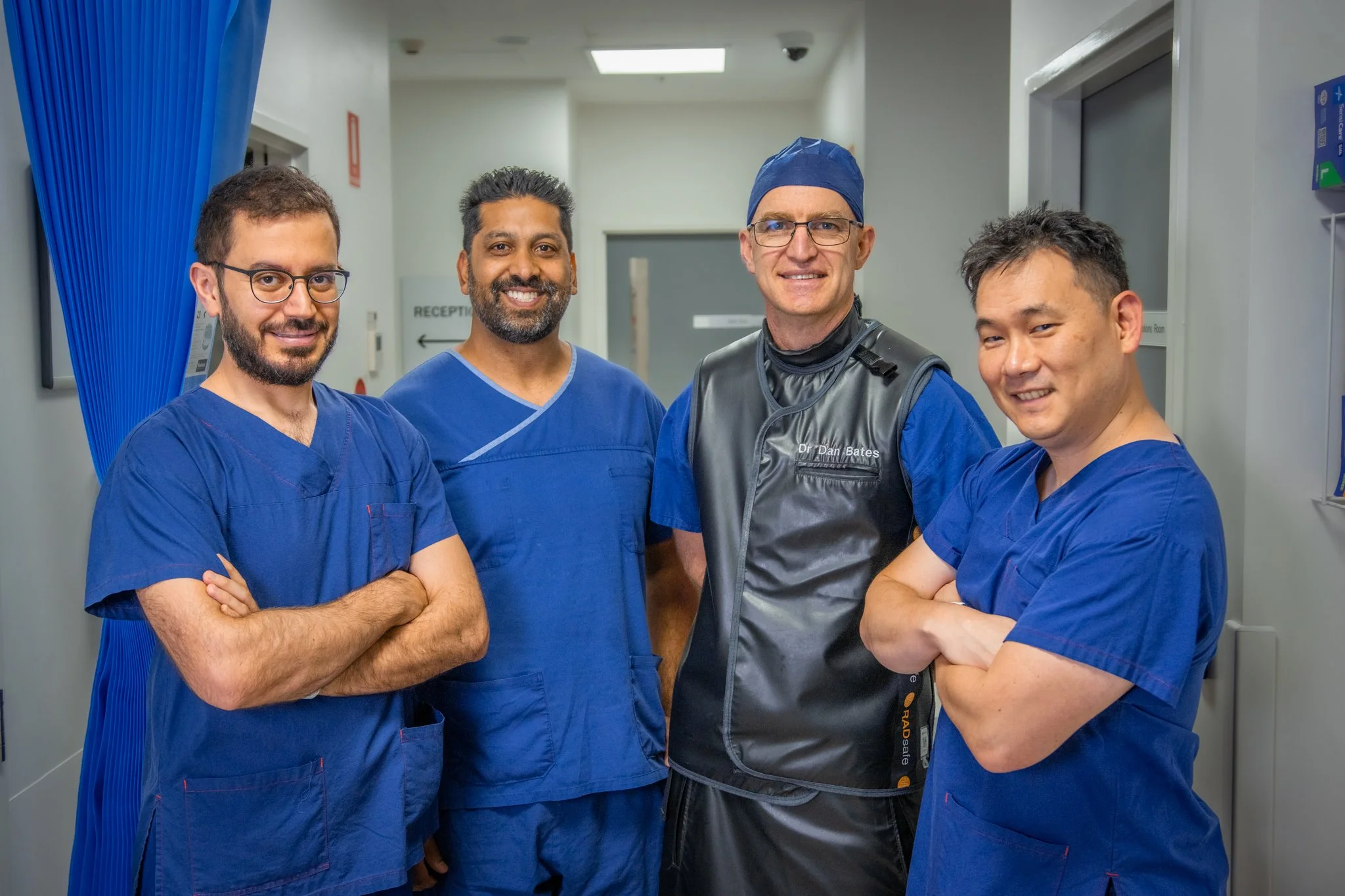
Meet the Team
-
![Dr Dan Bates, Back, Neck and Joint, pain specialist_Dr Dan Bates Headshot]()
Dr. Dan Bates
Sports & Exercise Physician
-
![Dr Dan Bates, Back, Neck and Joint, pain specialist_Dr Zee Headshot]()
Dr Zeeshan Arain
Specialist General Practitioner
-
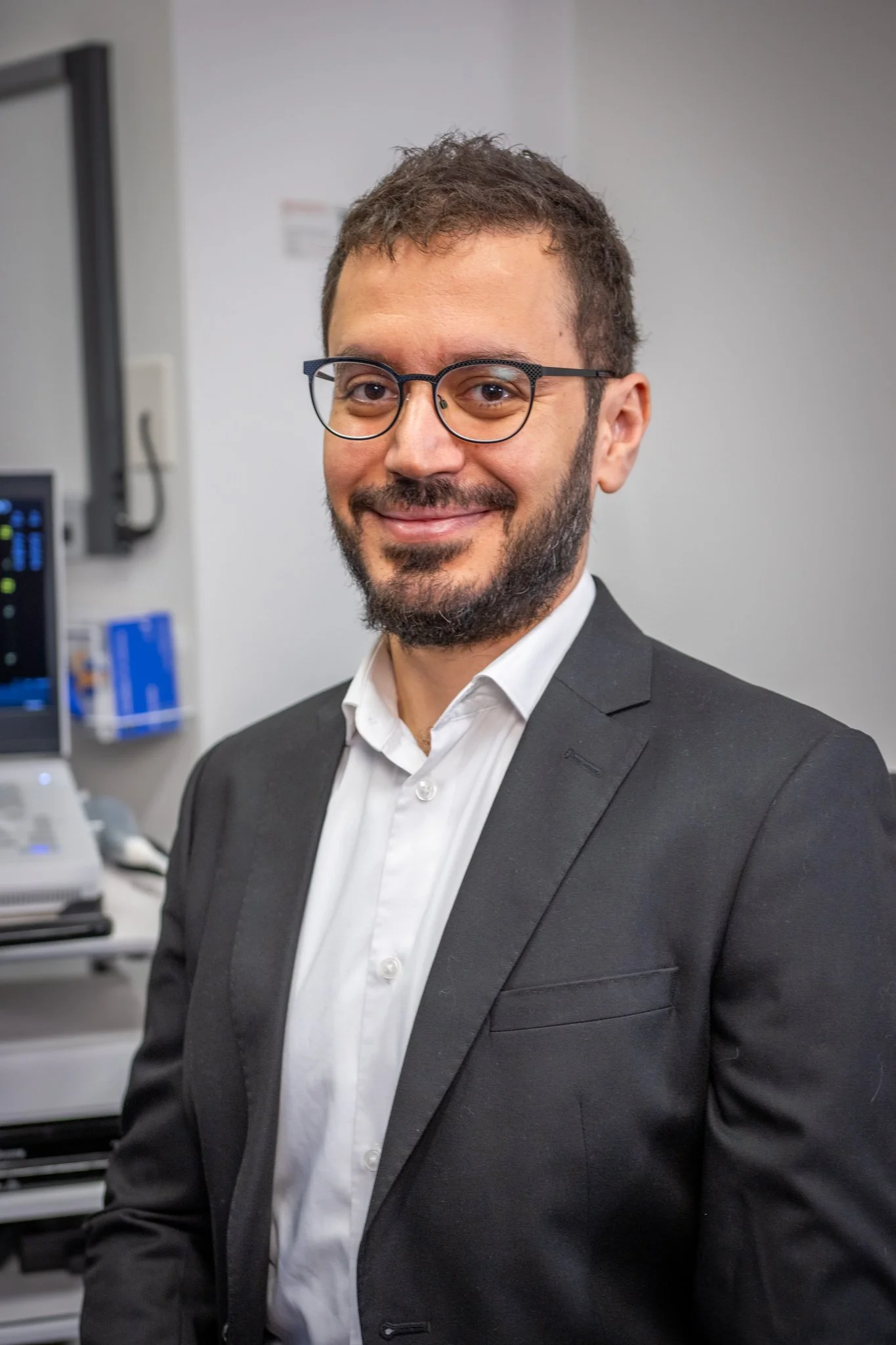
![]()
Dr Omer Batin Gozubuyuk
Sports & Exercise Physician
-
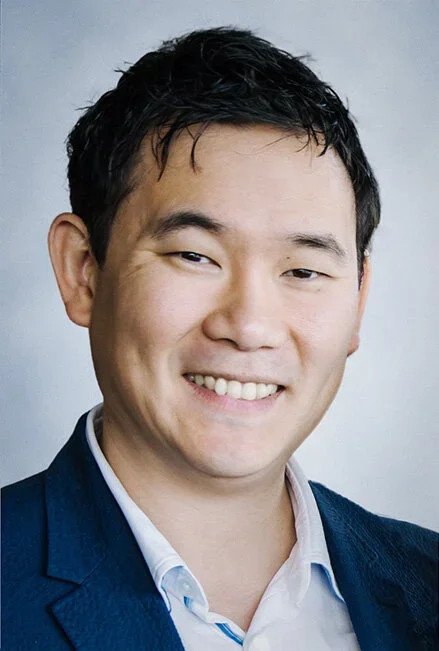
![Dr Jason Lam]()
Dr Jason Lam
Sports & Medicine Registrar
-
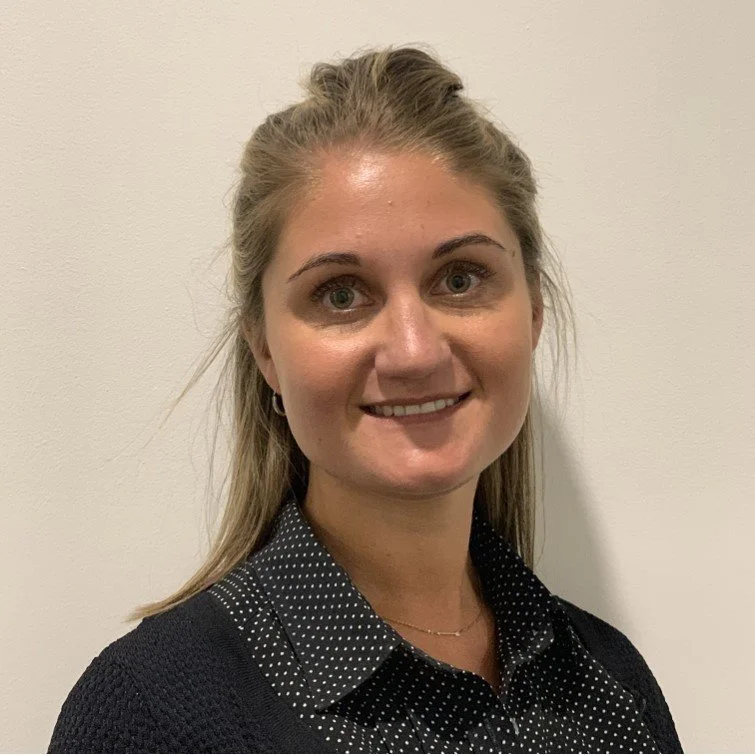
![Dr Dan Bates, Back, Neck and Joint, pain specialist_Gabrielle Headshot]()
Ms Gabby Perry
Registered Nurse


Locations
Balwyn
Back, Neck & Joint
Suite 1, 310 Whitehorse Road
Balwyn, VIC 3103
Opposite Anytime Fitness
Ph: +61 9854 4000
Monash House Private Hospital
(Procedures)
Monash House Private Hospital
Level 1, 271 Clayton Rd, Clayton VIC 3168
(03) 8394 0700
monashhouseprivatehospital.com.au
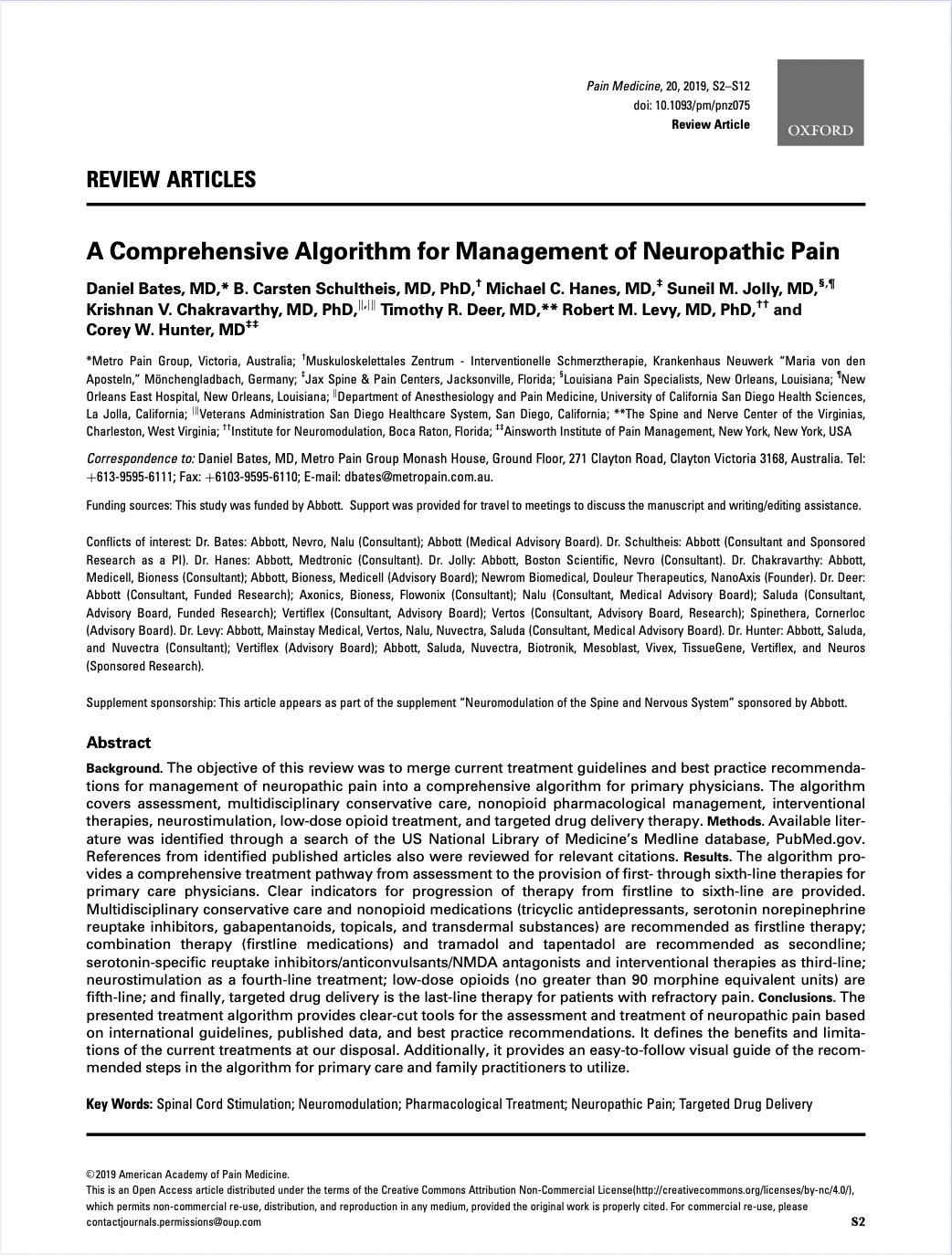
Our Publications
The team at Back, Neck and Joint are highly active in research and have published systematic reviews on how to manage neuropathic pain, through to randomised control trials on osteoarthritis management. He has been involved in a number of first in man studies and it the owner of the Metro Pain Research Institute, a highly actively pain research company. He is proud of this research activity as it allows him to bring the latest pain management therapies and techniques to his patients.